
Unravel the complex patterns of discomfort associated with coronary artery disease (CAD), a critical cardiovascular condition. This article provides a detailed overview of how CAD manifests, from central chest pressure to radiating pain in the neck, jaw, shoulder, back, or arm. Learn to recognize these vital warning signs to better understand and manage this prevalent heart condition.
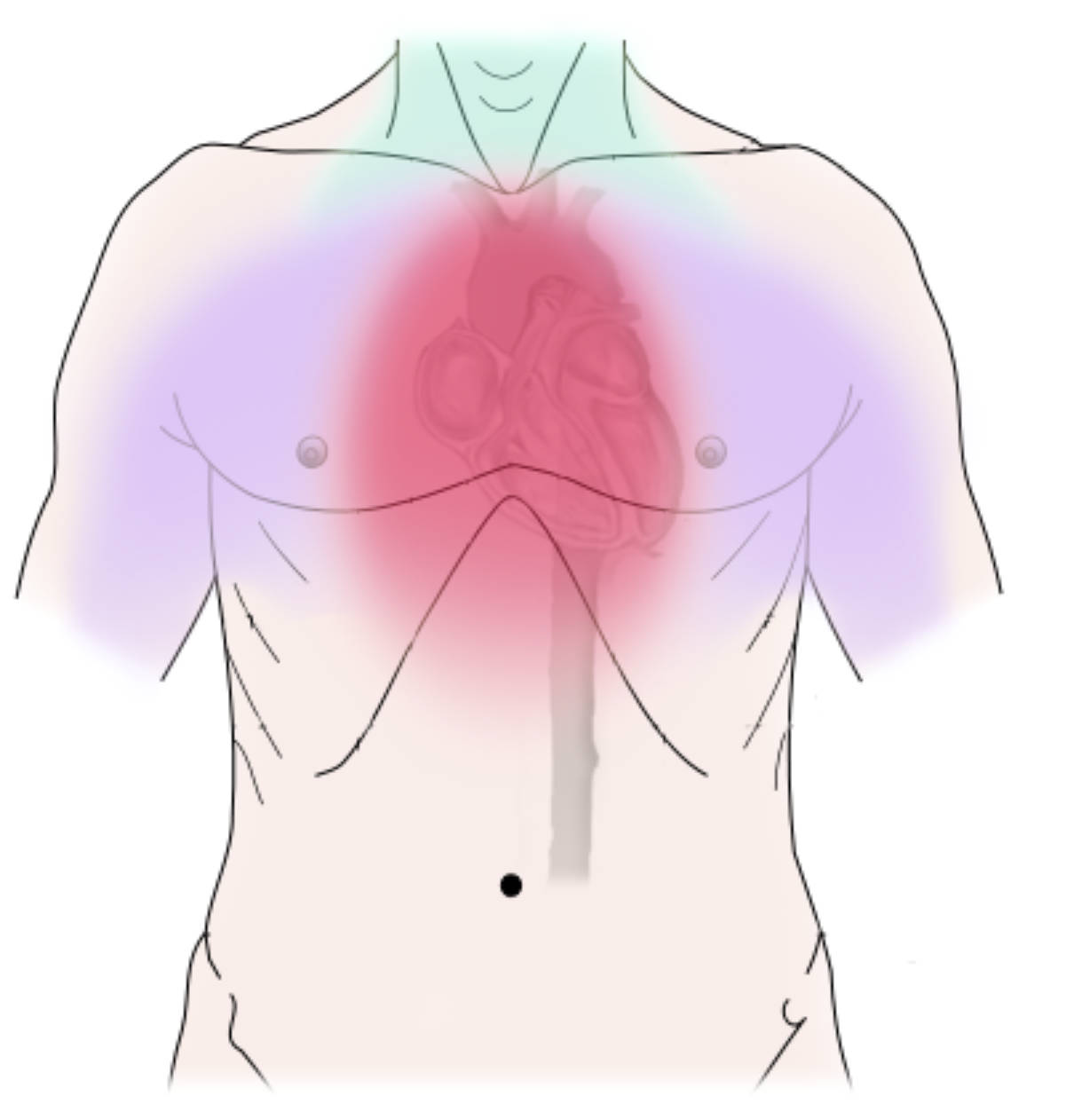
Coronary Artery Disease (CAD) is a major public health concern, responsible for significant morbidity and mortality worldwide. It occurs when the major blood vessels that supply the heart muscle (coronary arteries) become damaged or diseased, typically due to atherosclerosis—the buildup of plaque containing cholesterol and other substances. This plaque accumulation narrows the arteries, reducing blood flow to the heart muscle. When the heart muscle doesn’t receive enough oxygen-rich blood, it can lead to symptoms of discomfort, often referred to as angina. The provided diagram vividly illustrates the common areas where this discomfort might be felt, moving beyond the classic chest pain to include referred pain patterns.
Symptoms of Coronary Artery Disease Discomfort
The discomfort caused by CAD is often described as more than just pain; it can be a sensation of pressure, fullness, or squeezing. This angina is typically experienced in the center of the chest, but importantly, it can radiate to other parts of the body. The diagram highlights several areas of potential discomfort:
- Pressure, fullness, squeezing or pain in the center of the chest: This is the most classic symptom of angina. It is often described as a heavy weight on the chest or a tight band squeezing the chest. This discomfort may worsen with exertion or emotional stress and often subsides with rest or nitroglycerin.
- Discomfort in the neck: Pain or a feeling of constriction in the neck can be a symptom of angina. This is often described as a choking sensation or tightness in the throat, distinct from muscle strain.
- Discomfort in the jaw: Angina can manifest as pain or an ache in the jaw, often mistaken for dental problems or temporomandibular joint (TMJ) issues. It can affect one or both sides of the jaw.
- Discomfort in the shoulder: Pain or aching in one or both shoulders is a common referred pain pattern in CAD. This can sometimes be confused with musculoskeletal shoulder problems.
- Discomfort in the back: Upper back pain, especially between the shoulder blades, can be a symptom of angina. This is more commonly reported by women but can occur in anyone experiencing CAD discomfort.
- Discomfort in the arm: Pain, aching, or numbness in one or both arms, particularly the left arm, is a well-known symptom of angina. This discomfort can extend down the arm to the hand and fingers.
The Physiology Behind CAD Discomfort
The discomfort associated with CAD arises from myocardial ischemia, a condition where the heart muscle is deprived of adequate oxygen. When the coronary arteries are narrowed, they cannot supply enough oxygenated blood to meet the heart’s demands, especially during physical exertion or emotional stress. This oxygen deficit leads to the accumulation of metabolic byproducts that irritate nerve endings in the heart. Due to the shared neural pathways between the heart and other areas of the body, the brain can misinterpret these pain signals as originating from the chest, neck, jaw, shoulder, back, or arm—a phenomenon known as referred pain. This is why a heart attack or angina can present with such varied symptoms.
Recognizing the diverse manifestations of discomfort caused by coronary artery disease is paramount for early diagnosis and timely intervention. While central chest pain remains a hallmark symptom, being aware of referred pain in the neck, jaw, shoulder, back, or arm can prevent critical delays in seeking medical attention. If you or someone you know experiences any of these symptoms, especially if new, severe, or persistent, it is crucial to seek immediate medical evaluation. Prompt diagnosis and treatment of CAD are essential for preventing heart attacks and improving long-term cardiovascular health.


