
The female reproductive system is a sophisticated network of organs designed for reproduction, hormonal regulation, and menstrual cycles, as illustrated in the provided image. This article offers a detailed exploration of the anatomical structures depicted, shedding light on their functions and interconnections. By examining this system, one can gain a deeper appreciation of its critical role in fertility and overall health.
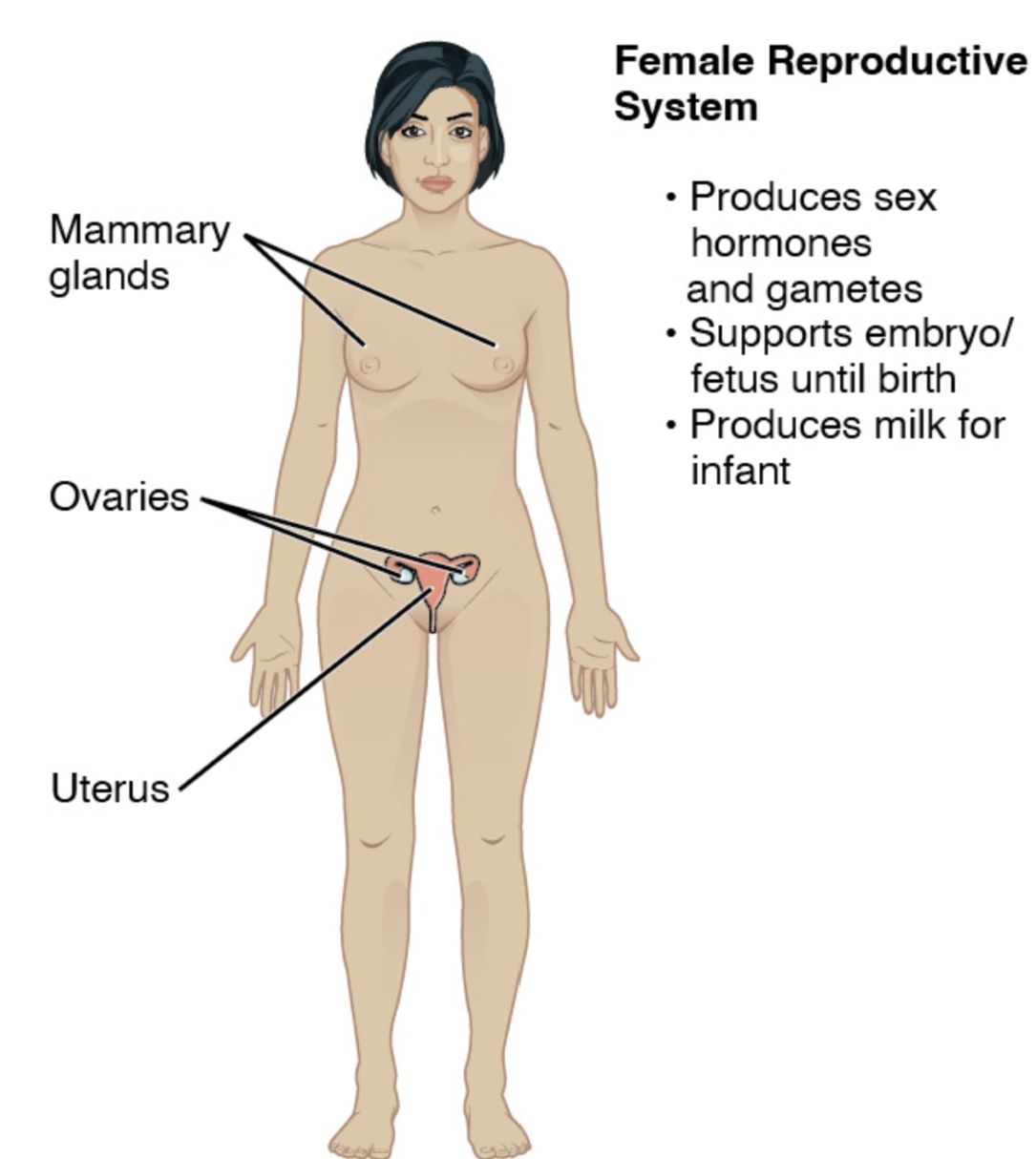
Ovaries: These almond-shaped organs produce eggs (ova) and hormones like estrogen and progesterone. They play a central role in ovulation and maintaining the menstrual cycle.
Fallopian tubes: These tubes extend from the ovaries to the uterus, serving as pathways for eggs to travel after ovulation. They are also the site where fertilization typically occurs if sperm is present.
Uterus: This pear-shaped organ houses and nourishes a developing fetus during pregnancy. Its muscular walls expand significantly to accommodate fetal growth.
Cervix: The lower part of the uterus, this narrow passage connects to the vagina and produces mucus to protect the reproductive tract. It dilates during childbirth to allow the baby to pass.
Vagina: This muscular canal serves as the birth canal and the exit for menstrual flow. It also facilitates sexual intercourse and is lined with mucus membranes for protection.
Endometrium: The inner lining of the uterus, this tissue thickens each month in preparation for pregnancy. It sheds during menstruation if no fertilization occurs.
Anatomical Structure of the Female Reproductive System
The female reproductive system’s anatomy is intricately designed to support reproduction. Each component contributes uniquely to this process.
- The ovaries contain thousands of follicles, each potentially releasing an egg.
- The fallopian tubes are lined with cilia to help move the egg toward the uterus.
- The uterus has three layers: the endometrium, myometrium, and perimetrium.
- The cervix contains a small opening, the os, which varies in size during the cycle.
- The vagina is supported by pelvic floor muscles for structural integrity.
Physiological Functions and Hormonal Regulation
The physiological roles of the female reproductive system are driven by hormonal changes. This dynamic process supports reproduction and monthly cycles.
- The ovaries release estrogen and progesterone, regulating the menstrual cycle.
- The fallopian tubes provide an environment for fertilization by the sperm.
- The uterus contracts during labor, aided by progesterone withdrawal.
- The cervix produces fertile mucus during ovulation to aid sperm passage.
- The endometrium regenerates monthly under hormonal influence.
Clinical Relevance and Health Considerations
While the image focuses on anatomy, understanding the female reproductive system aids in recognizing potential health issues. Regular screening can prevent complications.
- The ovaries are prone to cysts or tumors, requiring ultrasound monitoring.
- Blockages in the fallopian tubes can lead to infertility, treatable with surgery.
- The uterus may develop fibroids, affecting menstrual flow or pregnancy.
- The cervix is screened for cervical cancer via Pap smears.
- Changes in the endometrium can indicate conditions like endometriosis.
The female reproductive system, as depicted, highlights the coordinated functions of the ovaries, fallopian tubes, uterus, cervix, vagina, and endometrium in supporting reproduction. This anatomical guide provides a foundation for exploring its physiological roles and clinical significance. By studying these structures, one can better understand their importance in maintaining health and addressing reproductive challenges effectively.


