
The biological landscape of human parasitology is complex, and within the Phylum Platyhelminthes, the Class Cestoda stands out as a group of highly specialized endoparasites. These organisms, popularly known as tapeworms, have undergone extreme evolutionary modifications to thrive within the intestinal tracts of their vertebrate hosts. Unlike other flatworms, cestodes have completely lost their digestive tracts, relying instead on direct absorption of nutrients through their specialized outer covering. One of the most clinically relevant species in this group is Taenia saginata, commonly referred to as the beef tapeworm. This parasite is distributed globally, particularly in regions where cattle are raised and raw or undercooked beef is consumed. The presence of these long, ribbon-like worms in the human gut is not merely a biological curiosity but a significant medical condition that requires precise diagnosis and targeted therapy to prevent nutritional deficiencies and psychological distress in affected patients.
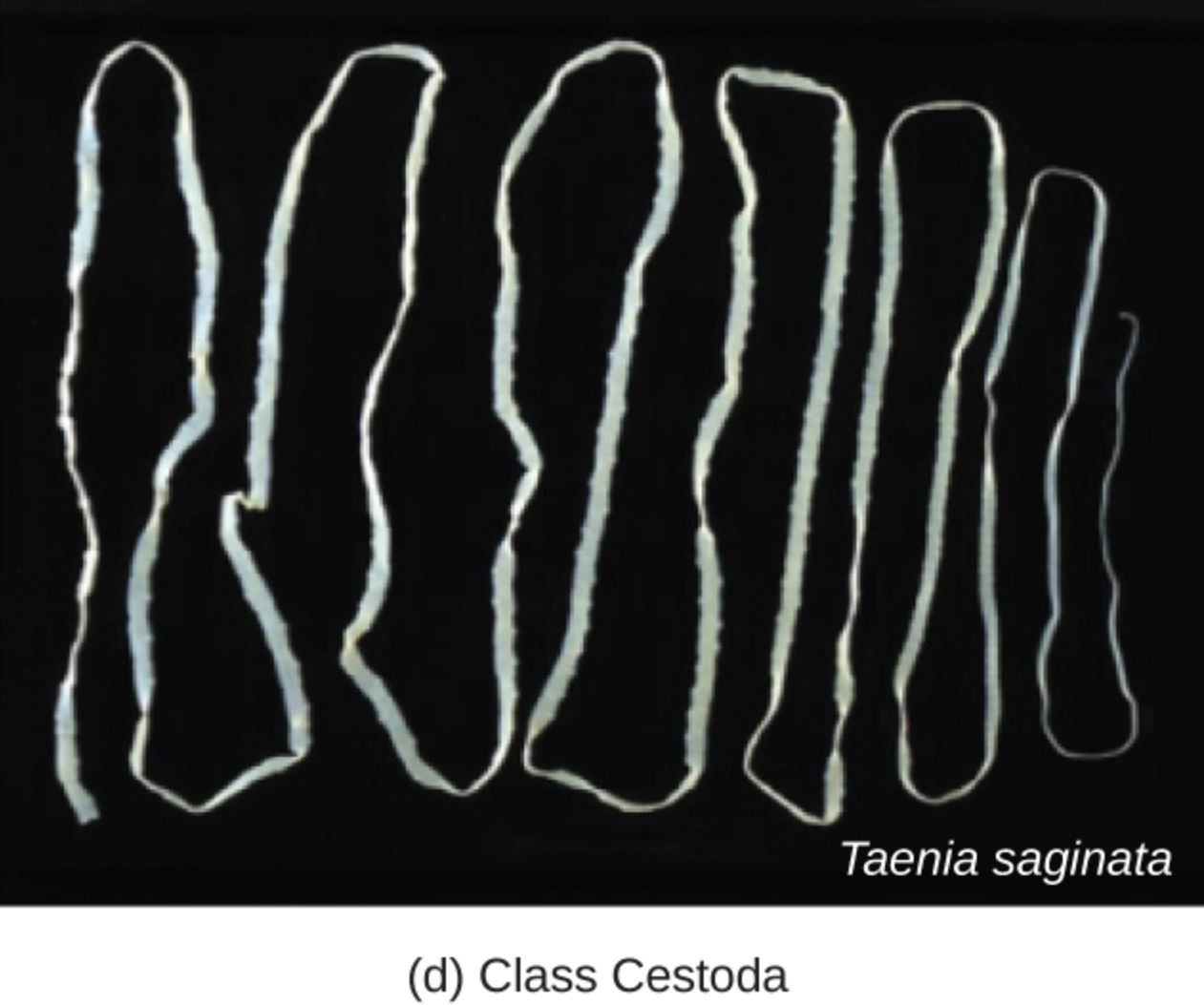
Taenia saginata: This label identifies the adult beef tapeworm, which is a giant among intestinal parasites, often growing to several meters in length. It is composed of a head, a neck, and a long chain of reproductive segments that allow it to produce thousands of eggs daily.
Class Cestoda: This taxonomic group represents all tapeworms, which are defined by their segmented bodies and lack of a mouth or gut. They are obligate parasites that spend their adult lives attached to the intestinal wall of a definitive host, absorbing pre-digested nutrients directly through their skin.
Morphological Specializations of Cestodes
The morphology of a tapeworm is a masterclass in parasitic efficiency. The body is divided into three primary regions: the scolex, the neck, and the strobila. The scolex, or head, is the primary attachment organ. In Taenia saginata, the scolex is characterized by four powerful, cup-like suckers but is uniquely lacking the rostellum and hooks found in the closely related pork tapeworm. This anatomical feature is a key diagnostic marker used by pathologists to differentiate between species under the microscope. The neck region, located immediately behind the scolex, is a zone of high metabolic activity where new segments are continuously generated through a process called budding.
The majority of the worm’s length consists of the strobila, a chain of repeating segments known as proglottids. As these segments move further from the neck, they mature sexually. Each proglottid is a complete hermaphroditic unit, containing both male and female reproductive organs. This allows a single worm to fertilize itself, an essential adaptation for an organism that may spend its entire adult life as the sole occupant of a host’s intestine. The most distal segments are “gravid,” meaning they are packed with thousands of highly infectious eggs. These segments eventually detach and pass out of the host’s body with the feces, either whole or by rupturing to release their contents.
The Life Cycle of Taenia saginata: A Tale of Two Hosts
The life cycle of the beef tapeworm is strictly dependent on the interaction between its definitive host (humans) and its intermediate host (cattle). The cycle begins when gravid proglottids or free eggs are passed in human stool into the environment. These eggs are remarkably hardy and can survive for weeks in soil or water. Cattle become infected when they ingest vegetation contaminated with these eggs. Once inside the bovine stomach, the eggs hatch into larvae known as oncospheres, which use their hooks to penetrate the intestinal wall and enter the bloodstream.
These larvae eventually settle in the striated muscle tissue of the cow, where they transform into a larval stage called a cysticercus. This small, fluid-filled sac contains an invaginated scolex and is often referred to as “measly beef.” The cycle reaches its conclusion when a human consumes raw or undercooked beef containing these live cysticerci. Once the meat is digested in the human stomach, the scolex within the cysticercus evaginates, attaches firmly to the mucosal lining of the small intestine, and begins to grow into a mature adult tapeworm. The entire transition from ingestion to the production of new eggs takes approximately two to three months.
Pathogenesis and Clinical Manifestations of Taeniasis
The infection caused by the adult stage of the beef tapeworm is medically termed taeniasis. For many individuals, the infection remains relatively silent, with no obvious symptoms for long periods. However, when symptoms do occur, they are often vague and gastrointestinal in nature. Patients may report chronic abdominal pain, nausea, changes in appetite, and unexplained weight loss. The metabolic demand of a worm that can reach 10 meters in length can lead to nutritional competition, although significant vitamin deficiencies are less common with T. saginata than with some other cestode species.
One of the most distressing clinical features for patients is the active migration of proglottids. Unlike the pork tapeworm, the segments of the beef tapeworm are motile and can crawl out of the anus independently of a bowel movement. This often leads to significant psychological trauma and is frequently the primary reason a patient seeks medical attention. Furthermore, the presence of these large worms can occasionally lead to mechanical complications, such as intestinal obstruction or the blockage of the bile duct or appendix, though these occurrences are considered rare medical emergencies.
Diagnostic Modalities in Tapeworm Infections
Accurate diagnosis of a cestode infection is essential for effective public health management and patient care. The gold standard for diagnosis remains the microscopic examination of stool samples for the presence of eggs. However, the eggs of the Taenia genus are morphologically identical, making it impossible to distinguish between the beef and pork tapeworms based on eggs alone. This distinction is critical because the pork tapeworm can lead to cysticercosis, a far more dangerous condition involving the central nervous system, whereas T. saginata does not pose this risk to humans.
To confirm the species, clinicians must examine the gravid proglottids. By injecting India ink into the central uterine stem, the number of lateral uterine branches can be counted; T. saginata typically has 15 to 20 branches, whereas T. solium has fewer than 13. In modern clinical settings, molecular techniques such as Polymerase Chain Reaction (PCR) are increasingly used to identify parasitic DNA in stool samples with high specificity. Additionally, serological tests can detect antigens or antibodies, providing supportive evidence in cases where the parasite load is low or eggs are not being shed consistently.
Metabolic Adaptations: The Role of the Tegument
Cestodes are unique among animals because they have no mouth and no internal gut. Their survival depends entirely on the tegument, a multi-functional surface layer that serves as both a protective barrier and an absorptive organ. The tegument is covered in microscopic, finger-like projections called microtriches, which greatly increase the surface area available for nutrient uptake. These structures are analogous to the microvilli in the human intestine, allowing the worm to efficiently compete with its host for glucose, amino acids, and fatty acids.
Beyond nutrition, the tegument plays a vital role in immune evasion. Tapeworms secrete various molecules that neutralize the host\’s digestive enzymes and modulate the local inflammatory response. This allows the parasite to live for years, or even decades, within the hostile environment of the human gut without being rejected. Understanding the molecular biology of the tegument is a major focus of current pharmacological research, as it provides potential targets for new classes of anthelmintic drugs that could disrupt the parasite’s ability to maintain its internal homeostasis.
Treatment Protocols and Public Health Prevention
The treatment of taeniasis is highly effective and usually involves a single dose of oral medication. Praziquantel is the drug of choice, as it causes a rapid influx of calcium into the parasite, leading to muscle contraction and the destruction of the tegument. This allows the host’s immune system to attack and digest the worm. Alternative treatments include niclosamide, which inhibits the parasite’s oxidative phosphorylation, essentially starving it of energy. Following treatment, it is important for clinicians to confirm the passage of the scolex; if the head remains attached, the worm will simply regenerate from the neck region within a few months.
From a public health perspective, the prevention of T. saginata infection relies on breaking the life cycle at key points. Primary strategies include rigorous meat inspection in slaughterhouses, where inspectors look for cysticerci in the muscles of the head and heart of cattle. On an individual level, cooking beef to an internal temperature of at least 63°C (145°F) effectively kills the larval stage. Freezing meat at -10°C for several days is also an effective method for destroying cysticerci. Finally, improving sanitation and waste management in agricultural areas ensures that human feces do not contaminate the pastures where cattle graze, preventing the initial infection of the intermediate host.
Conclusion: The Enduring Challenge of Cestodiasis
The Class Cestoda continues to represent a significant challenge to global health, particularly in developing nations and areas with intensive livestock production. While Taenia saginata is generally less life-threatening than its counterparts, its presence indicates a failure in food safety and sanitation infrastructure. Through continued advancements in diagnostic technology and a steadfast commitment to public health education, the burden of these ancient parasites can be significantly reduced. As we refine our understanding of their unique physiology and the intricate host-parasite relationship, we move closer to a future where tapeworm infections are a rarity rather than a common clinical occurrence.


