
Actinomyces israelii is a unique, Gram-positive bacterium known for its complex, branching morphology that often mimics the appearance of fungal hyphae. While it is a common commensal inhabitant of the human oral cavity and gastrointestinal tract, it can become a significant opportunistic pathogen if it breaches the mucosal barrier. Understanding the structural characteristics and pathological mechanisms of this organism, alongside related species like Corynebacterium diphtheriae, is essential for the accurate diagnosis and treatment of chronic infectious diseases.
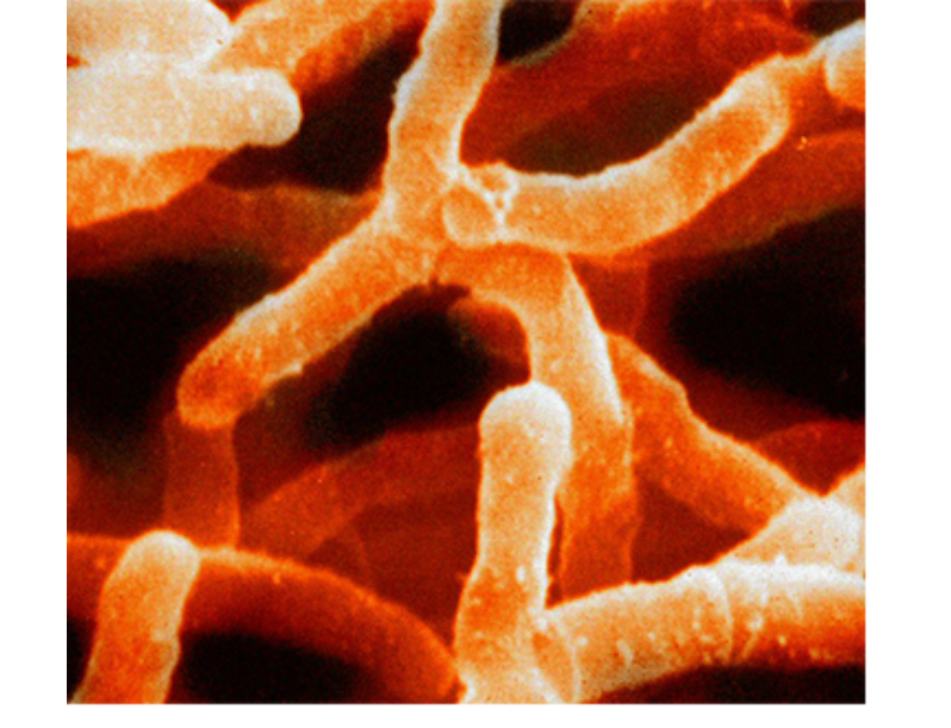
Actinomyces israelii: This anaerobic bacterium is characterized by its distinctive filamentous and branched structure, which is clearly visible in high-resolution scanning electron micrographs. It is the primary causative agent of actinomycosis, a chronic condition marked by the formation of slow-growing abscesses and the drainage of “sulfur granules” through sinus tracts.
Corynebacterium diphtheriae: This rod-shaped bacterium is the causative agent of diphtheria and is notable for its unique cellular arrangement known as palisades, which often resemble Chinese characters. It produces a potent exotoxin that can lead to the formation of a thick, greyish pseudomembrane in the throat and cause life-threatening systemic complications.
Gardnerella vaginalis: Classified as a gram-variable coccobacillus, this organism is a major contributor to a common imbalance of the vaginal flora. It is the signature organism identified in cases of bacterial vaginosis, where it often attaches to vaginal epithelial cells to form diagnostic markers known as “clue cells.”
The Actinobacteria phylum consists of a diverse group of high G+C Gram-positive bacteria that play various roles in human health and disease. Actinomyces israelii stands out within this group due to its slow-growing nature and its requirement for anaerobic or microaerophilic conditions. Because it resides naturally in the dental biofilm and tonsillar crypts, infections most commonly arise following dental procedures, trauma, or surgery that allows the bacteria to enter the soft tissues of the jaw and neck.
Clinically, actinomycosis is often referred to as a “great masquerader” because its presentation can easily be confused with malignancy or tuberculosis. The infection is characterized by dense, fibrotic masses that eventually suppurate and form tracts to the skin surface. A hallmark diagnostic feature of this disease is the presence of sulfur granules—yellowish clumps of bacterial filaments—found within the aspirated pus.
Key clinical considerations for Actinobacteria include:
- The filamentous nature of Actinomyces requires prolonged antibiotic therapy, often lasting several months.
- Corynebacterium diphtheriae requires rapid identification and antitoxin administration to prevent cardiac and neurological damage.
- Gardnerella vaginalis infections are typically identified by a positive “whiff test” and the presence of clue cells under a microscope.
- Prevention of diphtheria is largely achieved through widespread immunization with the DTaP vaccine.
Pathogenesis of Actinomycosis and Diphtheria
The pathogenesis of Actinomyces israelii is largely mechanical and opportunistic. As obligate anaerobes, these bacteria thrive in deep tissue pockets where oxygen levels are low. Once they establish an infection, they trigger a chronic inflammatory response that results in the formation of “woody” indurations. The bacteria are rarely found alone in these lesions; they typically coexist with other commensal flora, creating a polymicrobial environment that enhances their virulence and protects them from the host’s immune system.
In contrast, the virulence of Corynebacterium diphtheriae is primarily biochemical. The bacteria colonize the upper respiratory tract and release a toxin that inhibits protein synthesis in host cells. This leads to tissue necrosis and the formation of a dense, adherent membrane that can cause airway obstruction. Furthermore, the toxin can enter the bloodstream, targeting the myocardium and peripheral nerves, illustrating how a localized bacterial infection can lead to devastating systemic consequences.
Diagnostic and Therapeutic Approaches
Accurate laboratory identification is the first step in managing these infections. For Actinomyces, clinicians must ensure that cultures are held for an extended period, as the bacteria can take up to two weeks to show visible growth on agar plates. Histopathological examination of tissue biopsies or pus remains the gold standard, particularly when looking for the characteristic branching filaments. For Gardnerella vaginalis, maintaining a healthy vaginal pH is a primary defensive factor, as an increase in pH allows the organism to overpopulate.
Treatment strategies vary significantly between these organisms. Actinomycosis typically responds well to high-dose penicillin, though the duration of treatment is exceptionally long to ensure the deep-seated abscesses are fully eradicated. Diphtheria requires a dual approach of antibiotics to kill the bacteria and an antitoxin to neutralize the circulating poison. The continued study of these microbes’ unique morphologies and survival strategies remains a priority in the field of infectious disease, ensuring that modern medicine can effectively combat these complex bacterial pathogens.
The diverse morphologies of Actinobacteria, from the branching filaments of Actinomyces to the palisade clusters of Corynebacterium, underscore the complexity of bacterial evolution and pathogenesis. By recognizing these distinctive structural patterns and understanding the clinical manifestations they produce, healthcare professionals can achieve more timely diagnoses and improve patient outcomes for a range of chronic and acute infectious conditions.


