
Peroxisomes are specialized, membrane-bound organelles essential for maintaining cellular homeostasis through the metabolism of fatty acids and the detoxification of harmful chemical compounds. By facilitating the breakdown of hydrogen peroxide and supporting lipid biosynthesis, these structures protect the cell from damage and ensure the production of critical components like plasmalogens for nerve health. These organelles are dynamic and can adjust their size and enzymatic composition in response to the specific metabolic needs of the host cell.
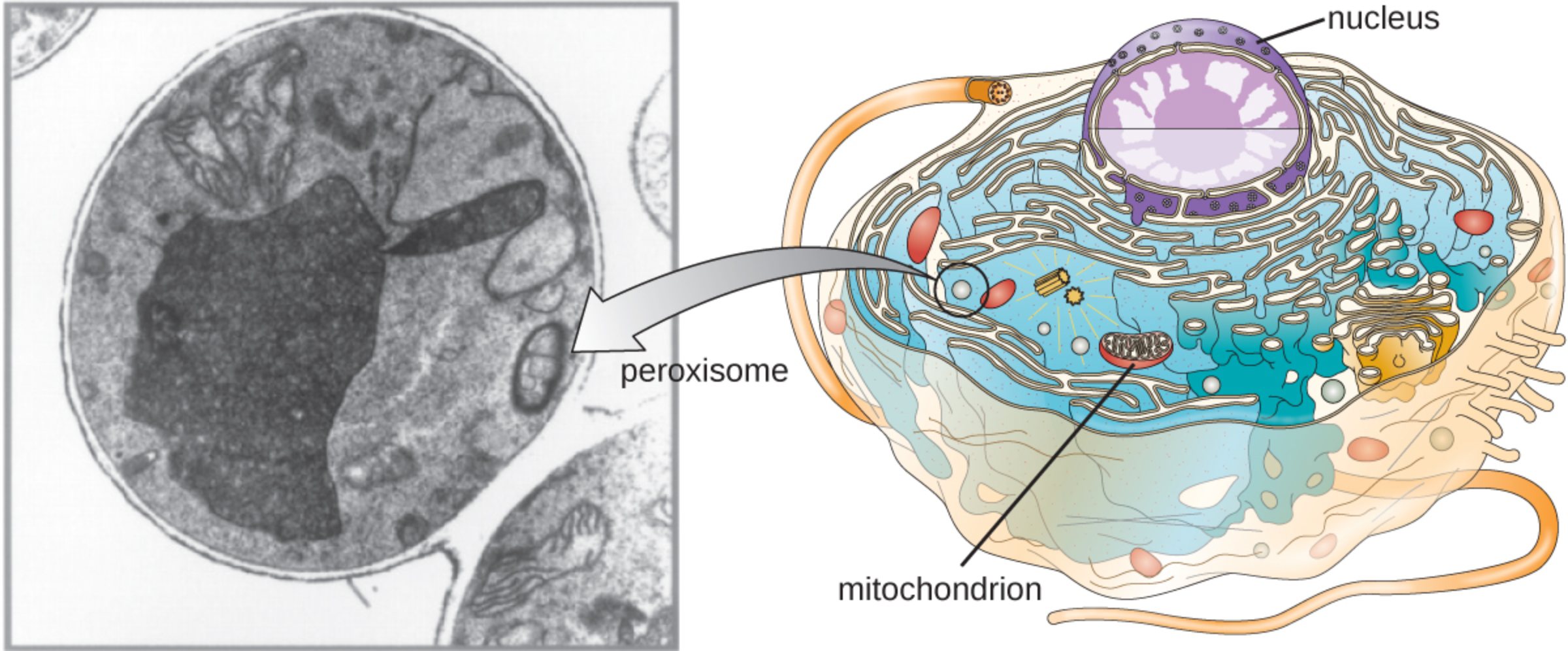
peroxisome: These are small, spherical organelles enclosed by a single membrane that house enzymes critical for the oxidation of organic molecules. They play a vital role in neutralizing hydrogen peroxide, a toxic byproduct of cellular metabolism, converting it safely into water and oxygen.
nucleus: As the primary regulatory center of the eukaryotic cell, this organelle contains the vast majority of the cell’s genetic material in the form of DNA. It coordinates essential biological functions, including protein synthesis, cellular growth, and the replication of genetic information during cell division.
mitochondrion: This double-membrane organelle is frequently described as the powerhouse of the cell due to its role in generating adenosine triphosphate (ATP) through cellular respiration. It works in close coordination with peroxisomes to manage the cell’s energy balance and process metabolic intermediates derived from lipid breakdown.
Understanding the Structure and Function of Peroxisomes
Peroxisomes are present in the cytoplasm of virtually all eukaryotic cells and are particularly abundant in organs with high metabolic activity, such as the liver and kidneys. Unlike other organelles that contain their own genome, peroxisomes lack DNA and must import their necessary proteins from the surrounding cytosol. They are highly adaptable structures that can replicate through a process of fission or emerge de novo from the membranes of the endoplasmic reticulum.
The internal environment of a peroxisome is densely packed with enzymes, sometimes forming a visible crystalline core in certain species. This compartmentalization is necessary because many of the reactions occurring within the peroxisome produce reactive oxygen species (ROS). By isolating these reactions within a single membrane, the cell prevents widespread damage to its proteins, lipids, and genetic material.
The physiological importance of peroxisomes is highlighted by their diverse roles in biochemistry. Key functions include:
- The initial steps of beta-oxidation, particularly for very-long-chain fatty acids (VLCFAs) that mitochondria cannot process alone.
- The synthesis of plasmalogens, which are specialized phospholipids required for the formation and maintenance of the myelin sheath in the central nervous system.
- The detoxification of ethanol and other exogenous toxins, primarily occurring within hepatic cells.
- The regulation of signaling molecules, such as bile acids and certain hormones, which are essential for systemic health.
As the cell goes through its life cycle, peroxisomes remain active in scanning for metabolic byproducts that require neutralization. Their ability to transition between different metabolic states allows the cell to survive under varying levels of oxidative stress, making them indispensable for long-term cellular viability.
Anatomical and Physiological Significance in Human Health
From an anatomical perspective, the peroxisome’s single lipid bilayer provides a selective barrier that regulates the entry of substrates and the exit of metabolic products. The primary enzyme found within these organelles is catalase, which is responsible for the rapid decomposition of hydrogen peroxide. This reaction is one of the fastest known enzymatic processes in biology, ensuring that toxic peroxide levels never reach a threshold that could lead to apoptosis or necrosis.
Physiologically, peroxisomes are central to lipid management. While mitochondria handle the majority of fatty acid breakdown for energy, peroxisomes are specifically tasked with the shortened processing of complex or branched-chain fats. Once these fats are broken down into smaller units, they are often transferred to the mitochondria for final conversion into energy. Furthermore, peroxisomes are the sole site for the synthesis of certain ether lipids, which are critical components of cardiac and brain tissue membranes.
The medical significance of these organelles is most evident when genetic mutations disrupt their function. Peroxisomal biogenesis disorders (PBDs), such as Zellweger syndrome, result from the failure of the cell to correctly assemble functional peroxisomes. In such cases, patients experience a dangerous accumulation of very-long-chain fatty acids and a deficiency in essential lipids, leading to severe neurological impairment, liver dysfunction, and skeletal abnormalities. This underscores the organelle’s role not just as a metabolic site, but as a foundational component of human development and physiological stability.
The study of peroxisomes continues to provide deep insights into how eukaryotic cells manage complex chemical reactions in a safe and efficient manner. By bridging the gap between energy production and waste management, peroxisomes ensure that the cell remains a clean, functional environment. As research progresses, understanding the nuances of peroxisomal enzymes may lead to new therapeutic strategies for metabolic and neurodegenerative diseases.


