
Understanding how different body systems collaborate to support the digestive system is crucial for overall health. This article explores the vital contributions of various physiological systems, from nutrient supply to immune defense, ensuring the optimal functioning of your digestive tract.
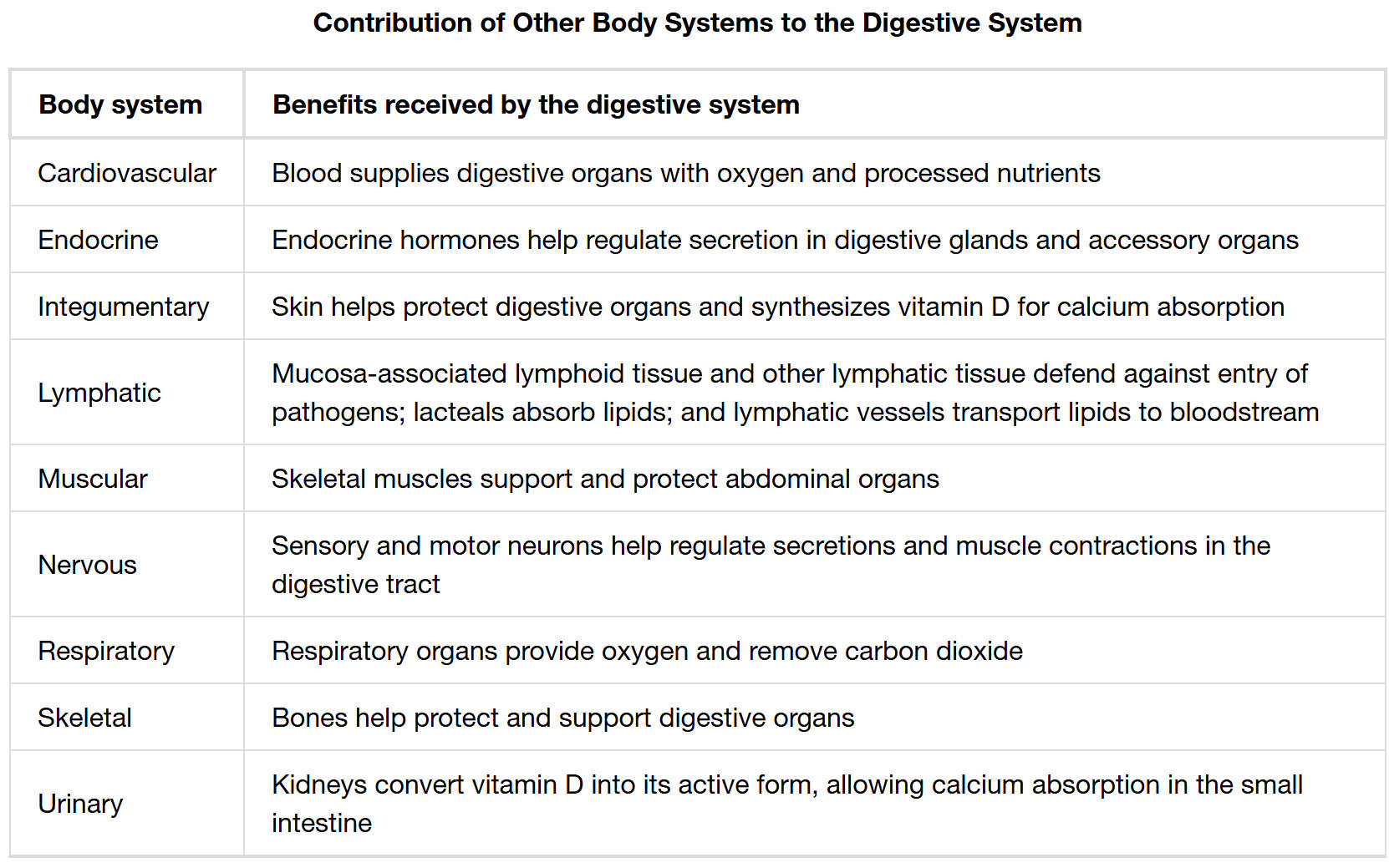
Body system: This column lists the various body systems that contribute to the digestive process. Each system plays a distinct and critical role in maintaining digestive health and efficiency. From the circulatory system’s nutrient delivery to the nervous system’s regulatory control, these interactions highlight the complex nature of human physiology.
Benefits received by the digestive system: This column details the specific advantages and support the digestive system gains from each listed body system. These benefits range from direct anatomical protection and nutrient absorption to sophisticated hormonal and neurological regulation. Understanding these contributions illuminates the holistic approach required for a healthy digestive system.
The human digestive system, a complex network responsible for breaking down food and absorbing nutrients, does not operate in isolation. Instead, it relies heavily on the synergistic contributions of virtually every other body system. From the moment food enters the body until waste is expelled, a remarkable orchestration of physiological processes ensures efficiency and effectiveness. This intricate interplay underscores the holistic nature of human anatomy and physiology, where no single system functions independently.
The alimentary canal, the primary pathway of the digestive system, is a muscular tube extending from the mouth to the anus. Its wall is composed of four fundamental tissue layers, each with specialized functions:
- The mucosa, the innermost layer, is responsible for secretion and absorption.
- The submucosa, a connective tissue layer, contains blood vessels, nerves, and lymphatic tissue.
- The muscularis externa facilitates food movement through peristalsis.
- The serosa, the outermost layer, provides protective covering.
These layers, while fundamental, are continuously supported and regulated by external systems, ensuring their optimal performance.
Cardiovascular System’s Role in Digestive Efficiency
The cardiovascular system is indispensable to the digestive process, acting as the primary transporter of essential resources. It ensures that digestive organs receive a constant supply of oxygen and processed nutrients, which are vital for their metabolic activities and functional integrity. Without adequate blood flow, the cells of the digestive tract would be starved of energy, impairing everything from enzyme production to muscle contractions. Furthermore, the cardiovascular system is responsible for carrying away absorbed nutrients from the small intestine, distributing them to cells throughout the body for energy, growth, and repair.
Endocrine and Nervous System: Regulating the Digestive Symphony
The endocrine and nervous systems serve as the critical command and control centers for digestion. The endocrine system, through the release of hormones, finely tunes various digestive functions. For example, hormones such as gastrin, secretin, and cholecystokinin regulate secretions from digestive glands and accessory organs like the pancreas and gallbladder, optimizing the breakdown of food. The nervous system, encompassing both the central and enteric nervous systems, provides rapid and precise regulation. Sensory neurons detect the presence of food and the state of digestion, while motor neurons stimulate muscle contractions (peristalsis) that move food along the alimentary canal and regulate the release of digestive juices. This intricate neural network ensures that digestion proceeds smoothly and adaptively to varying dietary inputs.
Protection and Support: Musculoskeletal, Integumentary, and Lymphatic Contributions
Other body systems provide crucial protection, support, and defense for the digestive system. The muscular system, particularly the skeletal muscles of the abdominal wall, offers structural support and safeguards delicate abdominal organs. The skeletal system, comprising bones, further contributes by protecting these vital organs from external trauma. The integumentary system, primarily the skin, provides an external protective barrier and plays an indirect but significant role through its synthesis of vitamin D. This vitamin is then converted by the kidneys into its active form, essential for calcium absorption in the small intestine, a process critical for bone health and numerous metabolic functions. The lymphatic system acts as a vital immune defense, with mucosa-associated lymphoid tissue (MALT) and other lymphatic tissues defending against pathogens that may enter through the digestive tract. Moreover, specialized lymphatic vessels called lacteals absorb dietary lipids, transporting them into the bloodstream, bypassing the direct portal circulation to the liver.
Respiratory and Urinary Systems: Essential Partners
Even systems seemingly distant from digestion, like the respiratory and urinary systems, contribute to its overall health. The respiratory system ensures a continuous supply of oxygen, necessary for the high metabolic demands of digestive cells, and efficiently removes carbon dioxide, a waste product of cellular respiration. The urinary system, particularly the kidneys, contributes by converting inactive vitamin D into its active form. This activation is a prerequisite for calcium absorption in the small intestine, highlighting another intricate connection between seemingly disparate body functions. The collaborative efforts of all these systems underscore the holistic nature of human physiology, where the efficiency of one system directly impacts the others, culminating in the optimal function of the digestive process and overall well-being.
In conclusion, the digestive system is a testament to the remarkable integration of the human body’s various systems. Each system, from the circulatory delivering vital nutrients to the nervous system orchestrating intricate processes, plays an indispensable role in ensuring efficient digestion and absorption. This comprehensive network highlights that optimal digestive health is a reflection of overall bodily harmony and interconnectedness, emphasizing the importance of a holistic approach to understanding and maintaining human health.


